WHAT’S THE POINT OF HOLIDAY GIFTS?

Shopping for holiday gifts can be difficult.
What is the point? Why shouldn’t the holiday season be about family, friends, and food? Wouldn’t it be more beneficial for everyone to spend their money on the things they love?
Gift exchanges can seem impractical and wasteful. Social scientific research shows that gift-giving has many benefits and costs.
The Kula ring
Bronislaw, an anthropologist, documented a complex tradition that the Massim people used during his fieldwork in Papua New Guinea. The gifting of shell necklaces or shell armbands was a vital part of the complex ceremonial exchange system these island communities had. The ” Kula Ring” was the name given to each gift that traveled from one island to another.
These artifacts were of no commercial or practical use. They were strictly prohibited from being sold. Because the objects were constantly in motion, their owners seldom wore them. The Massim made long trips to exchange their things, risking their lives as they navigated through the dangerous waters of the Pacific Ocean with their wobbly canoes.
The Massim expend a lot of time, energy, and resources to exchange trinkets. David Kirkland/Design Pics via Getty Images.
This is hardly an efficient use of time or resources. Anthropologists realized that the Kula was crucial in cultivating human connections.
These gifts were not free. They came with the expectation that they would be repaid in the future. They created a circle of mutual responsibilities that resulted in reciprocal relationships throughout the community.
The giving effect
Similar exchanges are common in other societies all over the globe. Gift-giving is a fundamental part of corporate culture in many Asian countries. These symbolic gifts, just like the Massim’s, facilitate business relationships.
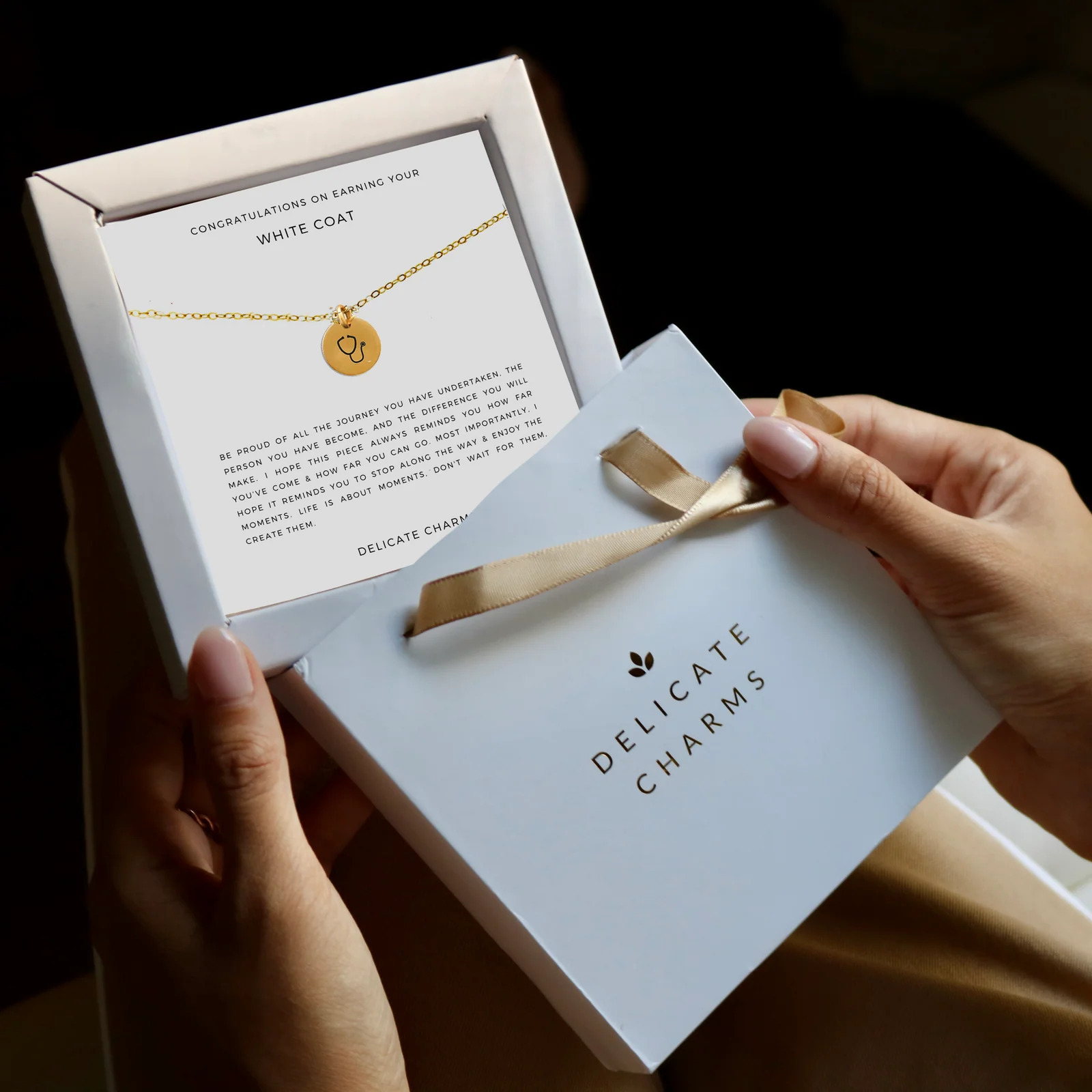
One of the most well-known traditions in the West is the exchange of holiday gifts. Many families spend a lot of time, effort and money buying gifts for loved ones on occasions like Christmas, Hanukkah, or Kwanzaa.
It seems wasteful to look at it through cold logic. Everybody has to pay for the stuff of someone else. Many gifts are returned or left behind. It would be more beneficial for everyone to spend their time and money according to their needs.
Psychological research supports this conclusion.
Study after study shows that spending money on others feels more rewarding than splurging for ourselves. Neuroscientists found that donating makes the brain’s reward system glow more than receiving a gift. Furthermore, the joy of receiving a gift lasts longer than the temporary pleasure of receiving it.
Exchanging gifts can help us double-dip and spread gratitude to all. Families and friends can know each other’s preferences, tastes, and needs so that everyone will get what they want. This can also bring people closer together.
Connectedness weaves itself into a web of connections.
Ritualized sharing is not just between but also within families. You can think of baby showers, weddings, and birthday parties. Guests are expected to bring a gift, usually of high value. They and their hosts keep track of the present’s worth, and the receivers should reciprocate by getting a matching grant if they have the chance.
This exchange has many functions. It provides material support to hosts during difficult transitional times, such as when they start a family. It is like guests investing in a fund to use when they become hosts. The gifts also help to raise the symbolic status of both the giver and the receiver. This allows them to host lavish ceremonies that are partially or entirely funded by their guests. These exchanges also help to build ritual bonds between families.
It is standard for leaders and diplomats to exchange gifts when they visit foreign countries. French officials hand out bottles of wine, while Italian leaders are known for giving trendy ties.
Others diplomatic gifts might be more uncommon. In 1972, President Richard Nixon visited China, and Chairman Mao Zedong sent two giant pandas (named Ling-Ling or Hsing-Hsing) to the National Zoo in Washington, D.C. The U.S. government responded by sending two horses to China.
The Chinese government gifted two pandas, Ling Ling and Hsing , to the United States.
Sharing has been a central part of many ritual traditions, from the exchange of shells by Pacific Islanders to placing toys and sweaters under Christmas trees. This is fundamentally different from other material trade forms, such as barter or trade.
Massimo doesn’t exchange shell necklaces for shell armbands. They also do not trade yams for fish. Giving a birthday gift is different from providing cashier money to buy groceries.
This is a general rule about ceremonial actions: they sometimes appear differently than they should. Ritual steps are not practical, unlike other behaviors. This is what makes ritual actions unique.