The Qualities That Make a Kindergarten Truly Exceptional
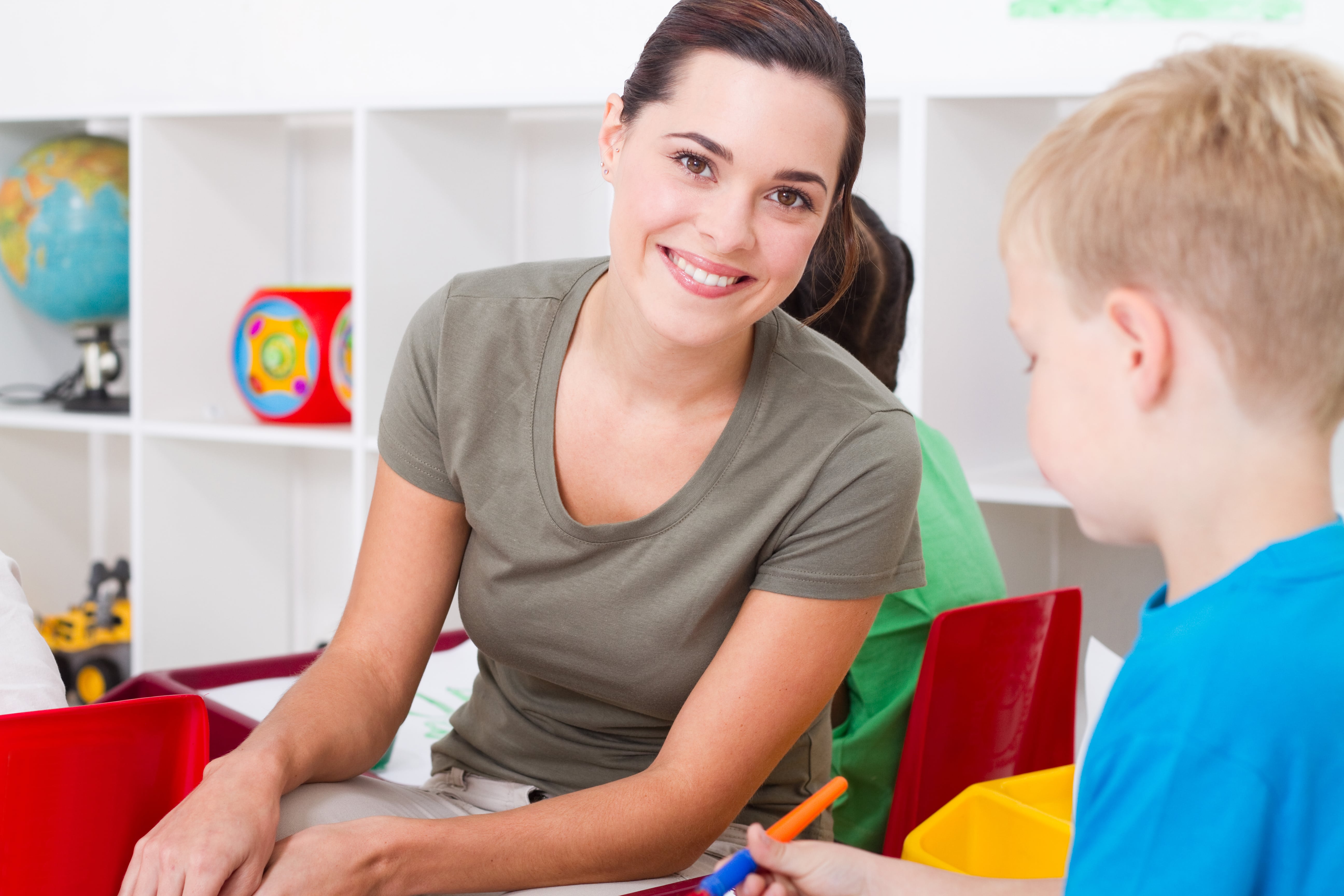
The early years of education are critical in helping a child develop attitudes and skills that will last a lifetime. A top-choice kindergarten makes all the difference. These features set them apart and help kids not just do well in school but also feel good about themselves. Being aware of these qualities aids families and communities in understanding how to support young learners when they embark on their journey along the educational continuum.
Nurturing Environment
The best kindergarten in Melbourne and all over the country focuses on safety and love, which are the key priorities. Every day, classrooms are full of positivity, allowing children to feel seen and wanted. This happens as teachers gently encourage children to process their emotions and learn to be confident in expressing them. In every corner of the classroom, you can see exciting activities that stimulate curiosity and creativity. Children are eager to come back and to take part in such an environment.
Qualified and Caring Educators
At the centre of every exceptional kindergarten is a great educator. Their passion for teaching shines through in their interactions with the students every day. These teachers realise each child develops at their own pace and adjust accordingly. Regular training and professional development also ensure their skills and methods remain sharp and relevant. And kids feel this commitment and respond with trust and energy.
Balanced Curriculum
Children have many subjects to discover, and a good curriculum includes the right balance of fun and learning. Each activity prompts your child with questions and the need to find answers with hands-on science experiences. Art, music, science, and physical movement infuse the day, ensuring diversity and fun in your students’ schedules. This balance allows kids to explore their hobbies and maintain a diverse range of skills.
Encouraging Social and Emotional Development
Learning how to interact socially is just as important as learning the numbers and letters. The best kindergartens give kids the skills of how to share, how to cooperate, and how to work through conflict peacefully. Group activities and discussions are integral in classrooms, exposing children to different perspectives. These skills foster empathy and respect for others, and these are skills that will stay with the children throughout their lives.
Parental Involvement
Collaboration between families and teachers creates a more powerful learning experience. Great kindergartens genuinely encourage ?parents to take part in the classroom and special occasions. Newsletters and meetings provide regular updates to families. When parents and teachers join hands, it creates a double support system for children, at home and in school.
Safe and Stimulating Spaces
A clearly structured environment will help children explore on their own. Furniture and materials are sized for children, so they can move and learn easily. The bright displays and interactive areas encourage the imagination. It is imperative to ensure the spaces stay clean and safe. The outdoor area promotes physical activity and teaches kids essential motor skills, especially a love of nature.
Individual Attention
Each child comes to the classroom as a teacher, unique in gifts and challenges. Outstanding kindergartens differentiate these readiness skills so that each learner is supported where needed and challenged when possible. The small group work and adaptability in the routine allow teachers the time needed to meet each child’s needs. By doing this, it gives them a unique sense of being valued and seen while also raising their confidence.
Encouragement of Curiosity
When children are eager to explore unusual ideas, they learn best. Another trait of excellent kindergartens is fostering curiosity by giving children free rein to question. Teachers celebrate discoveries, and then they help the children investigate areas of study to learn more about them. Kindergartens turn learning into an adventure with new opportunities and discovery around every corner, every single day.
Respect for Diversity
Inclusion and acceptance characterise great kindergartens. Teachers respect the background, customs, and skills of each child, ensuring everyone feels respected. Songs, stories, and activities reflect wide cultures and languages, showing different views of children. But this openness exposes them to different ideas and prepares them to embrace differences in others.
Positive Behaviour Guidance
Kindergartens ensure everyone understands expectations, and providing gentle guidance when needed helps children make better choices. Great kindergartens avoid using punishment; instead, they use positive reinforcement and highlight what children do right. They model respectful communication, teaching the children how to manage frustration and disappointment positively. Stable routines and a level playing field foster a sense of safety and dignity.
Ongoing Assessment and Growth
Regular opportunities to observe and receive feedback strengthen learning. Exceptional kindergarten teachers sense a shift in the behaviour, abilities, and interests of individual children. They adapt activities and approaches when required, helping to maintain momentum. Parents receive weekly updates with information about their child’s development, along with suggestions to nurture further growth at home.
Conclusion
A good kindergarten supports children in the formative years with attention, skills, and vision. Thoughtful educators, supportive environments, and authentic partnerships build a solid foundation for lifelong learning. In nurturing these traits, families contribute to making sure each young learner gets a happy start to life. Building these standards into investments creates dividends for children and their communities.